Tuesday, October 24, 2006

Benei Darom

Arriving in Bnei Darom, I ran into a bit of trouble. The streets weren't as I had remembered them. And the traffic circle at the entrance? Was that there? No, my memory must have faded over the years. Eventually, after making a few wrong turns, I began to get my bearings, and eventually found my way to cousin Achikom and Sarah's house.

After the usual, "You've lost weight," comments, back-slapping hugs, and an hour or so catching up on the last four years, I had a few minutes to walk around the moshav before shabbat started. After fifteen minutes clicking shapshots, I wandered back.

"I'm surprised you were still able to find the place," Sarah told me.
"I haven't forgotten everything."
"No, but we built a whole new neighborhood. And rearranged the streets."
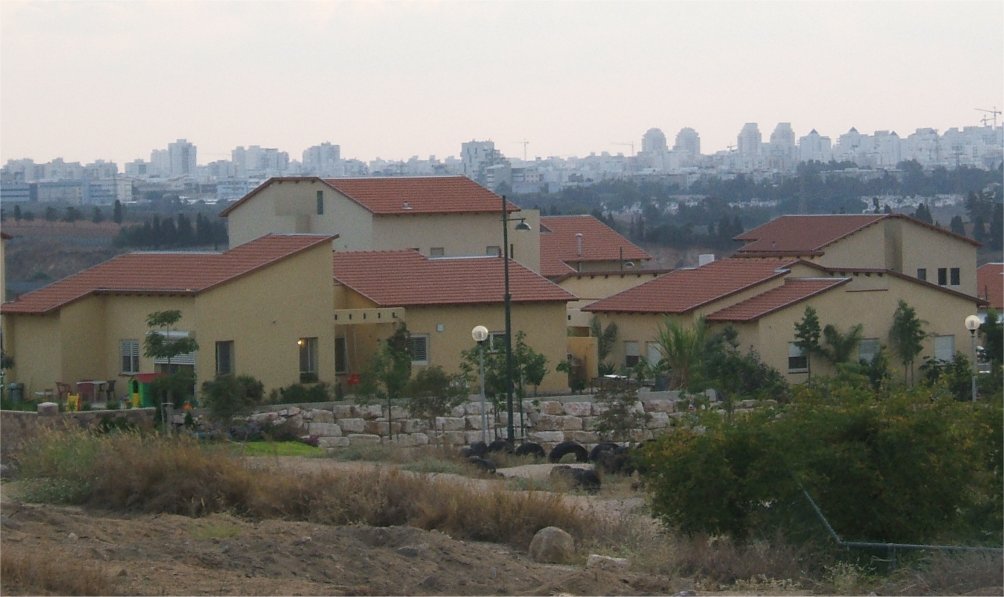
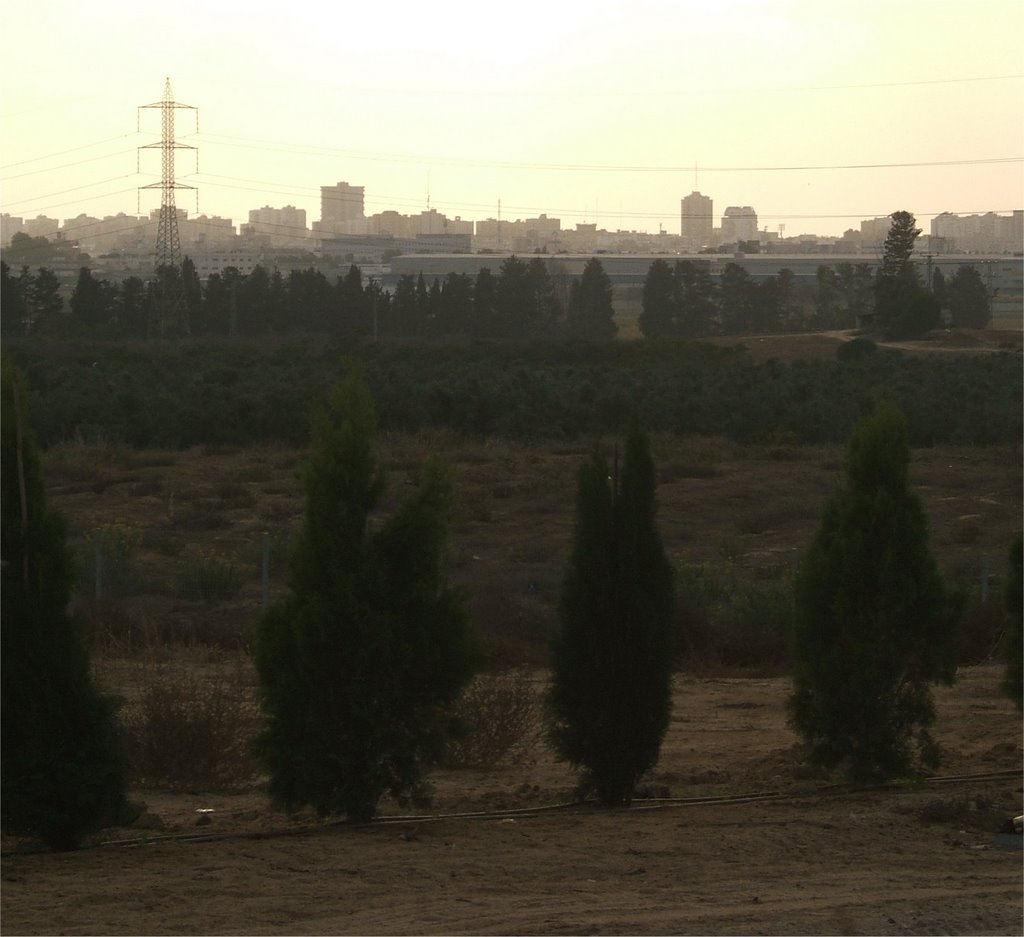
Foreground: Houses in the new neighborhood. Background: Ashdod.


I most remember the idyllic feeling of being surrounded by breezy olive groves and avocado orchards on Shabbat.
"It's changed a lot here since you've been gone," Sarah remarked.
"Were you okay with all the new building?""Of course! Look, we all have children who want to live near us but don't want to work in the fields or pay their salaries to the moshav. So we built the new neighborhood and they can still live near us. We're looking for young religious couples to move in. Our schools need children." Hint hint, when you get married...
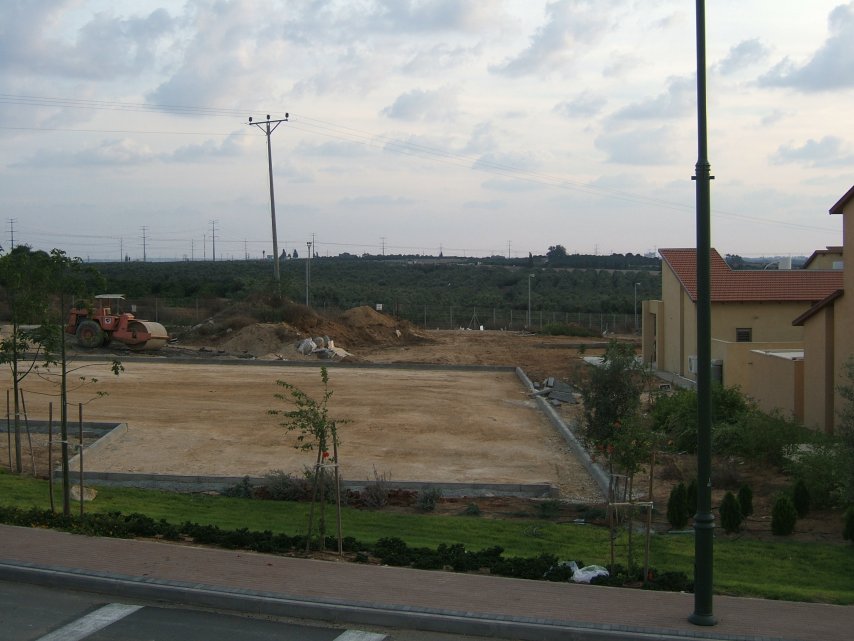
New housing under construction.

Their house is wide and spacious by Israeli standards.
"When we first started," Sarah tells me, "everything was tiny. We couldn't afford anything. Now, Baruch Hashem (thank God) we have all we need."
Still, there is some nostalgia for the old days.
"I remember when you could walk to Tzomet Benei Darom (the Benei Darom intersection, a major transfer point for busses) in fifteen minutes. Then, they took half our land to build the freeway.
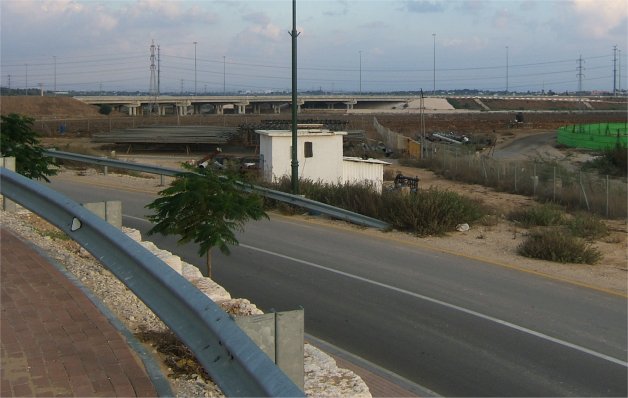
Looking out of the new neighborhood towards the freeway.

I remember getting off the bus at Tzomet Benei Darom, dodging the cars, and walking over construction of a newer freeway when I used to come for visits back in 2000.
"Then," Sarah continues, "they build another freeway. Then they built an interchange and onramp. You can't even walk to the bus station now, I'll have to give you a ride when you go."

The last remnants of older settlement.

Sunset over Ashdod. Midground: Benei Darom olive groves.
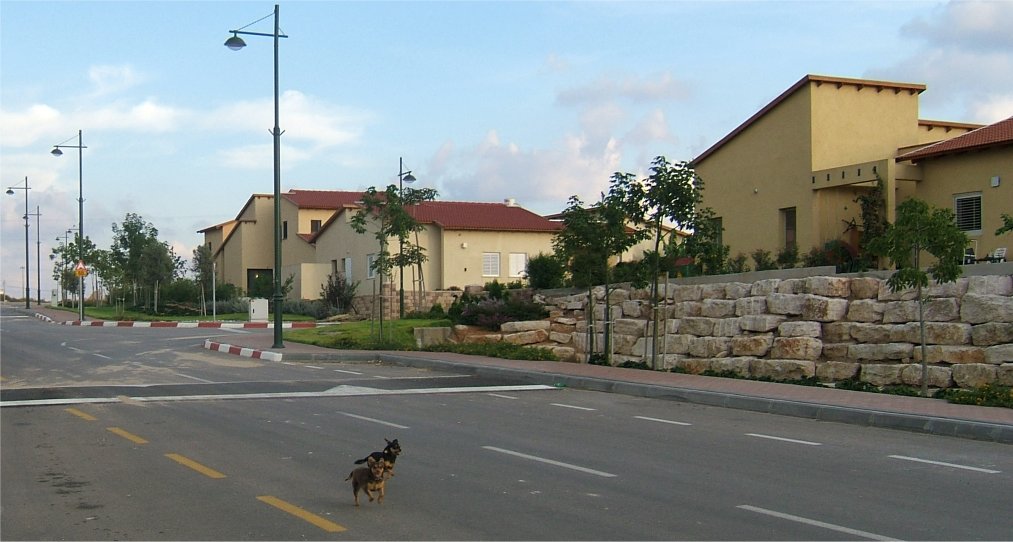
Dogs running on the main street in the new neighborhood.


Walking out to the old orange groves, I'm met by a stainless steel gate fence, padlocked shut. Looking out towards Ashdod, I see a network of shiny new fences delineating the fields. Only four years ago, this whole area was open. Walking through the groves on Shabbat, I would often pass by Bedouin shepherds passing through with their flocks. One Shabbat, I even walked clear to Ashdod, miles away, without encountering so much as a picket fence.
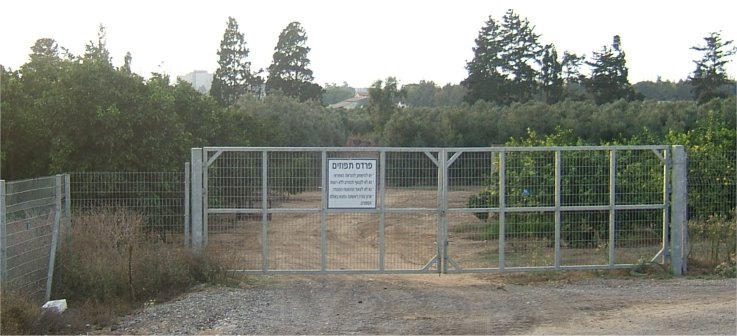

A fence at the orange orchards.


But the construction boom has brought with it many advantages, including new money to spruce up public spaces within the Moshav.
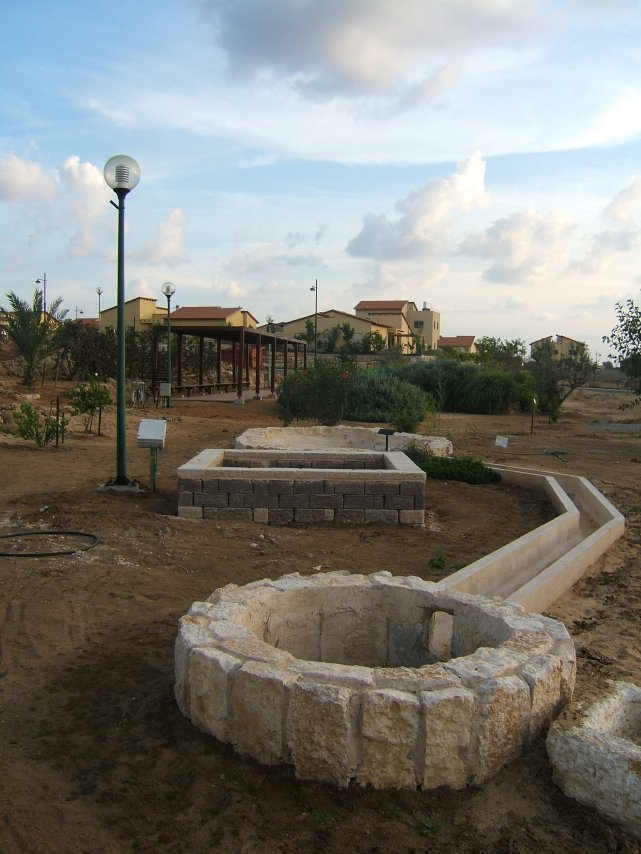

Foreground: a new fountain and garden. Midground: the Moshav Sukkah. Background: the new neighborhood.


The orange groves.


Eventually I meet up with Achikom and Sarah's son, Uri. He fills me in on the lates news in olive worms, chicken diseases, and the oranage harvest. They've stopped making soup nuts (little yellow crunchy crutons that Israelis put in their soup,) but they're now making chickens and hot dogs. So, despite the changes, the farm life continues.

The Benei Darom Shul (Synagogue)

Sunday, October 22, 2006

The Trip to Ashdod

Friday, I jumped out of bed early, bags packed, ready to go.

I swung through the Ben Yehudah pedestrian mall early, and took a few shots of the businesses setting up for the day, but unfortunately Blogger isn't letting me upload any more pictures right now.

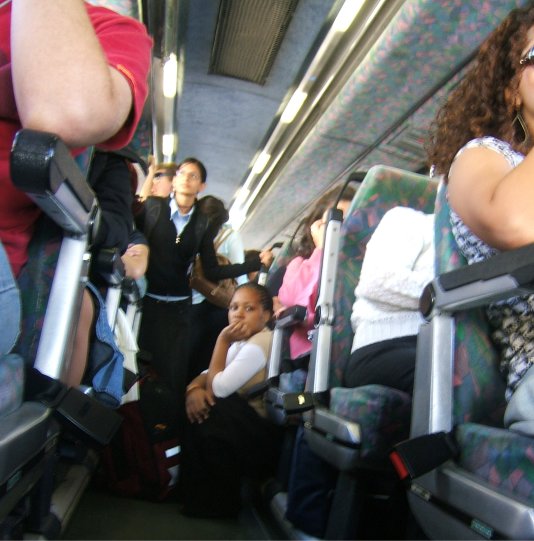
Made it to the bus station by 11:30 AM, raced to the platform, and ran down the Express to Ashdod as it was pulling out of the terminal. Made it on, swung around the corner and, as we pulled out of the station, I realized I had gotten on one of those hour-and-a-half standing room only busses.


I was none too amused. This put a major damper on my bus-window photography.


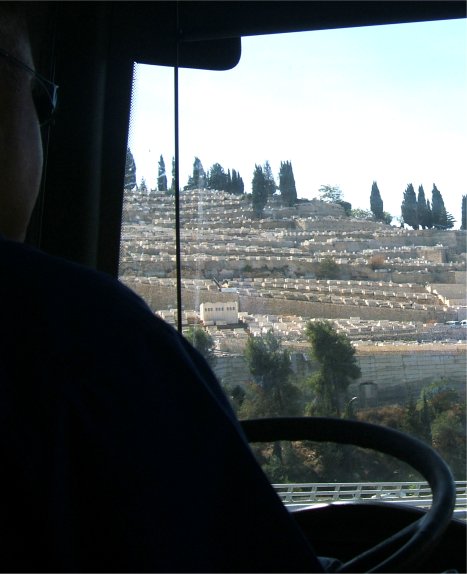
So I scooted up front and got what I could over the driver's shoulder.


The cemetary on Jerusalem's eastern outskirts.


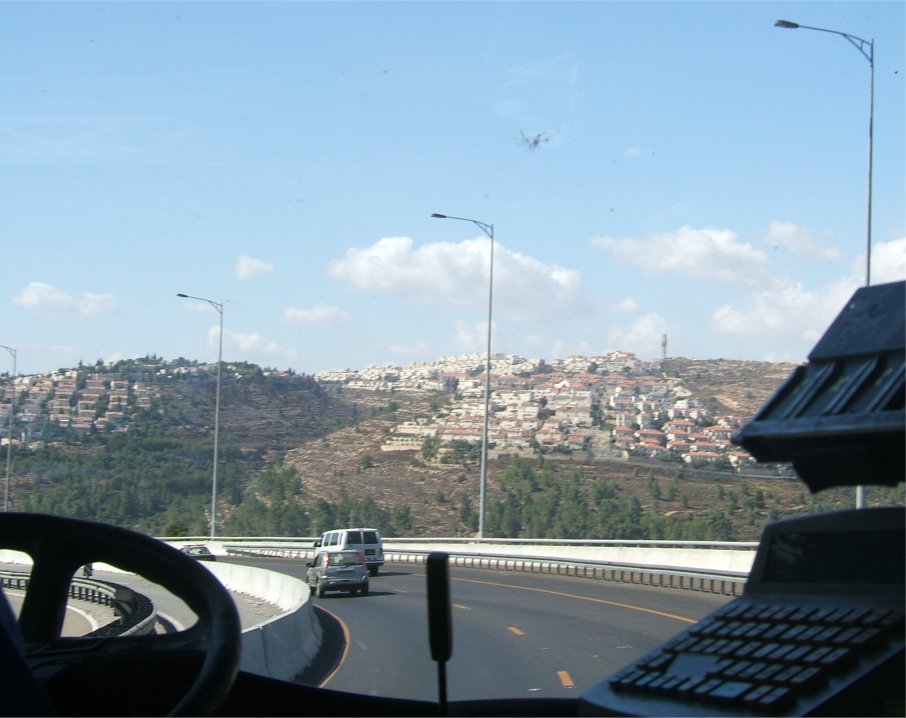
Cvish Mispar Echad, Route 1, the main connection between Jerusalem and Tel Aviv.


The outskirts of Abu Ghosh, an Israel-friendly Arab village.


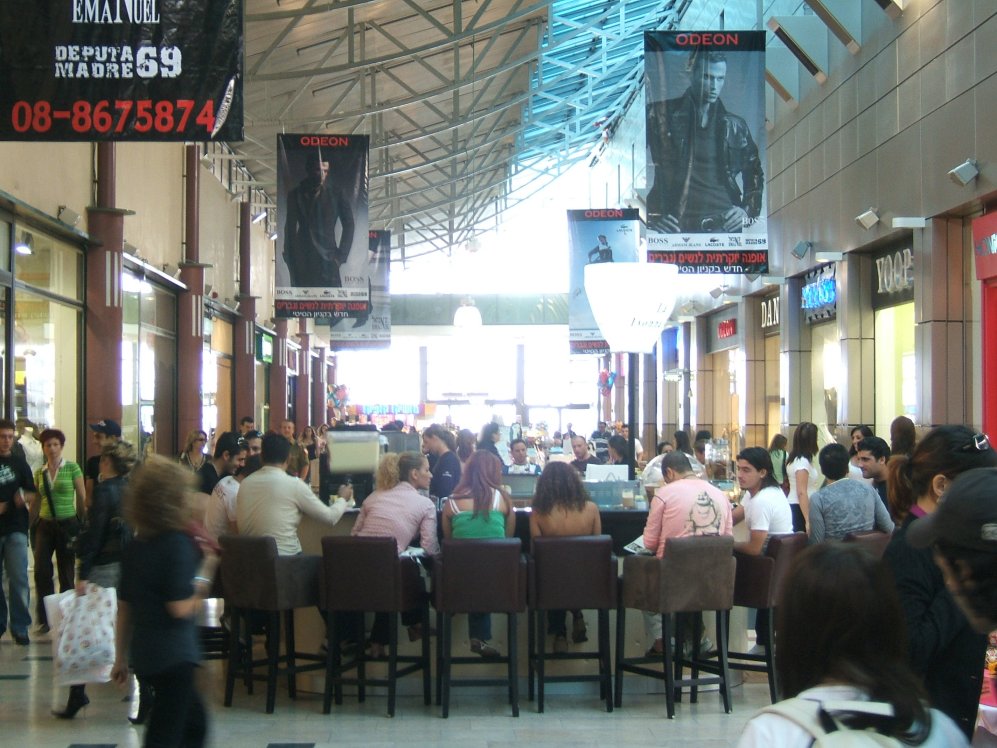
The bus dropped me off at the main mall in Ashdod, a large seaport and beach community where I met up with...

.. my old roommate Yigal! (a.k.a. Gali,) who insisted on taking me out for shwarma.


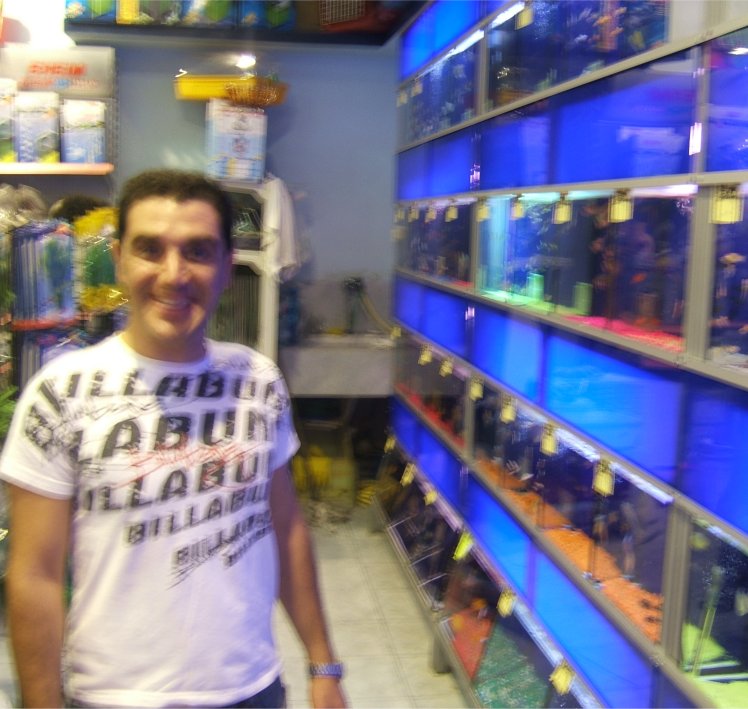
We went to get him some fish.


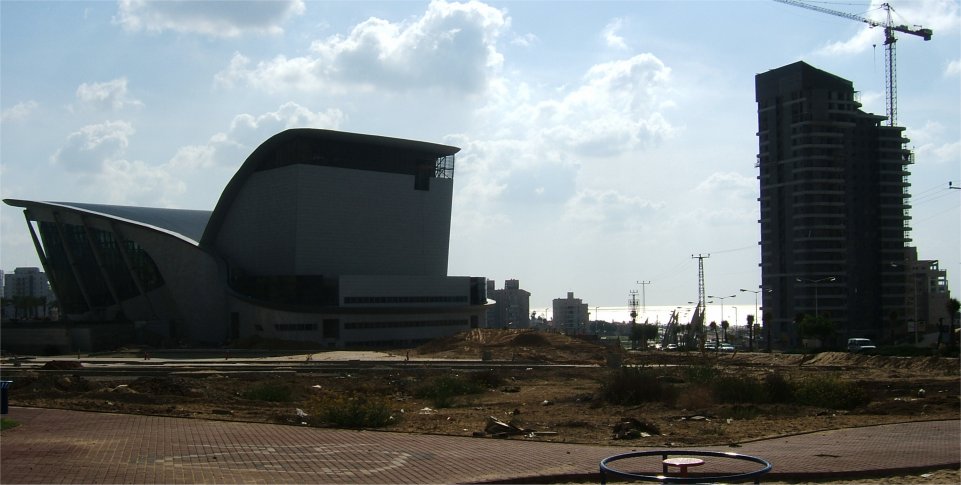
All these buildings (performing arts center at left, new apartment blocks at right) have sprung up since last time I was here five years ago.

We hung out at his place for a few hours, and I got to visit with his family, who knew me way back when I was only 22. His friend owns a yacht, and was going to take us out, but it was too late. Shabbat starts very early, at 4:45 PM now, and I couldn't risk going out on the water and not being able to make it back in time. I felt badly but we thought we would try for Sunday.

Instead, Gali's friend gave me a ride to Moshav Benei Darom, where I have some cousins, so I could spend Shabbat with them. A Moshav is an agricultural collective, much like a kibbutz except private property is allowed. Most of the kibbutzim and moshavim began as secular/communist in outlook, but Benei Darom is one of those rebellious communities which stuck with Judaism in spite of their minority status, and is today a fast-growing religious community.

Pictures from Benei Darom coming soon...

Wednesday, October 18, 2006

Gettin Out There

Living in the telecommuting bubble can be easy. Almost too easy. Listening to news all day in English, talking with my coworkers... in English, it's easy to forget that I actually live in another country. Mail comes in, I don't understand some of it, so I just sort of put it aside for later. And later becomes never.

But the thing about Israel is that it's the details that kill you. Small mistakes on paperwork or unpaid bills can come back to haunt you. Of course, that's true anywhere.

I recently read a horror story of an oleh who didn't pay his rent and ignored a warning letter because he didn't understand, and ended up in a perilous legal situation. I've been having this sneaking suspicion that somewhere, somehow, I've missed something, so I decided to leave the bubble for a day and follow up on every loose end I could think of.

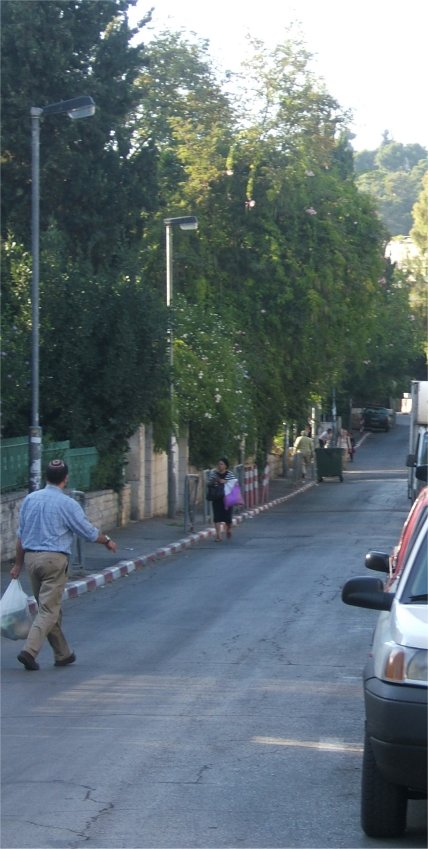
I left the house. From the bus stop I have a pretty good look at my street.

My house in the middle of my street.


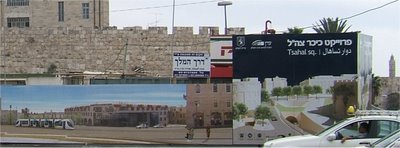
I proceeded to Kikar Tzahal (army square) next to the old city walls. They have been working on the Jerusalem Light Rail System since the last time I lived here, four years ago. Expected date of completion, June, 2006! But, since they're nowhere near done, they decided to put up this poster of what the Kikar Tzahal station would have looked like if they had finished on time.


Kikar Tzahal


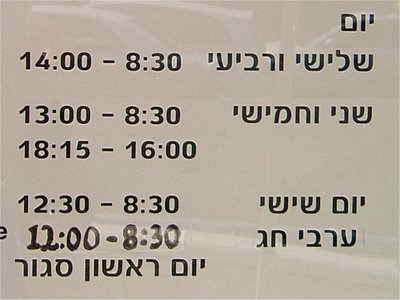
I came to my bank and found the hours posted on the door.


Everybody has their little piece of Hebrew that they'll never get used to, mine is reading "Opening Hours" signs because, while Hebrew is read from right to left, numbers are still left to right.

You have to do it in the following order, illustrated below:

1. Read the day (In this case Tuesday and Wednesday.)
2. Since numbers are still left to right, you have to skip ahead to the beginning of the next number.
3. Reverse direction and read from left to right (8:30 PM)
4. Switch directions again, and go from right to left to get to the hyphen.
5. Read the hyphen right to left.
6. Skip ahead to the beginning of the next number.
7. Reverse direction and read the number (in this case, 14:00, or 2PM.)

And now you're done! The bank is open from 8:30 AM to 2 PM.

The equivelant in English would be to read a sign that says:

Tuesday 00:8 - 00:41

Speaking of hours, what ever happened to nine to five? And notice that each day has different hours? Hello?

Not only that, every office, be it the bank, post office, ticket counter, you name it, has it's very own, special hours, which are usually different on each day of the week. And sometimes you show up at the right time and the doors are locked anyway.


Anyway, I managed to make it to the bank when there were actually other humans there, which was no small feat. I checked my account balance, no, no disasters, nothing in the negative, no erronious transactions. Beautiful!

Next, I headed to Kanyon Malchah, where I bought my fridge. The problem was that since I ordered the new one over the phone, I didn't have a receipt for it. I had at the back of my mind that they could be charging me just about anything for that fridge and claim I had okayed it, so I figured it would be worthwhile to check.

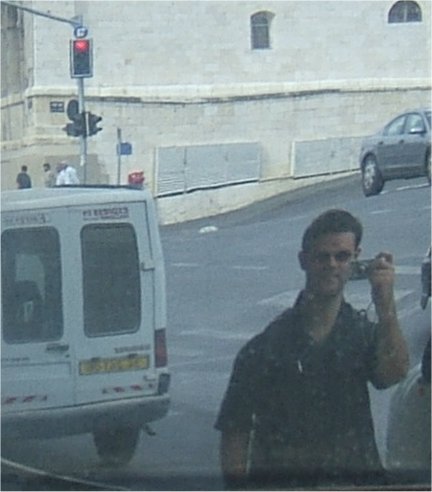
On the way, I paused for a moment of self-reflection (below.)

I went back into the electronics store, found my salesman who was, shall we say, a bit apprehensive at seeing me. But when he realized all I wanted was the receipt he relaxed a bit. I checked the bill and... no mistakes, they didn't overcharge. But something still felt wrong.

Meanwhile, Moshe showed up to say hi and give me a ride.


Blurry Moshe

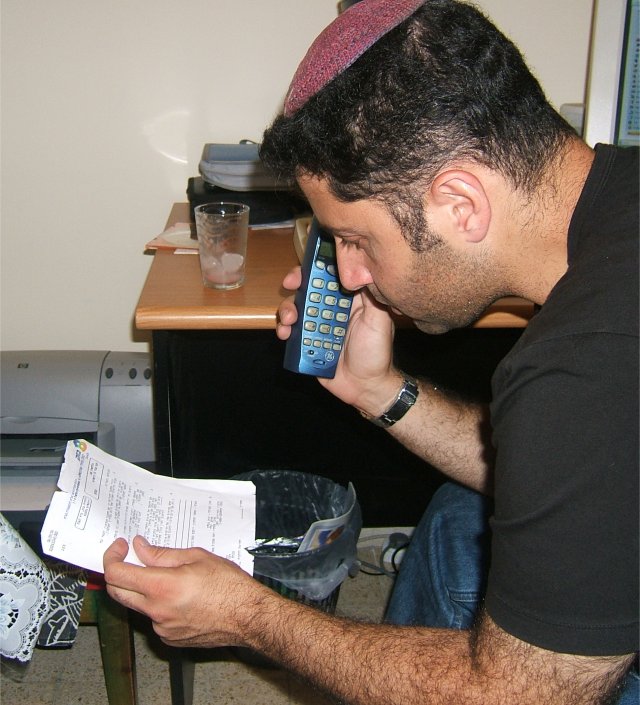
We went back to his place and he helped me read through the pile of mail I had been struggling with. Eventually we found a suspect bill. It was a bill from Bezek, with whom I had opened an account, then closed it after realizing that they were physically incapable of installing the line. Moshe immediately got on the phone and started yammering questions at the operators. Half an hour later, we understood that it wasn't a problem. The bill had been sent before they had closed my account. No problem. But something still felt wrong.

Moshe haggles on the phone.

Later, Moshe took me to Talpiot and helped me negotiate for a bed, as my air mattress has finally sprung a terminal leak. We found a decent deal for 900 shekels total, and he took me home.

I came home and sat at my computer. Strange... nothing went wrong. I was sure that... well, here's an email from my father. Some sort of scanned piece of mail. A letter from Wells Fargo.

MY WELLS FARGO CREDIT CARD IS DELINQUENT! Aha! I forgot to give them my forwarding address, so I haven't been paying the bills, and now my account has been forwarded to a collection agency. Yes! Thank GOD! I figured it out! So I called them up to deal with it, wasn't too bad, and they speak English.

And I'm already getting ready for the next big trip tomorrow. I have a shidduch in the morning (wish me luck,) then a bus to Ashdod to visit my old Be'er Sheva roommate Yigal, and then off to stay with some farmer cousins at the religious moshav (agricultural settlement) nearby, Moshav B'nei Darom. I'll be off the blog for a couple of days but the pictures will be a'comin'!

Emek Refaim Photos

I've been sick for the past couple of days and so have not been able to blog (or do much of anything.) Today I finally got out of the house, and went down to Emek Refaim, a happenin' south Jerusalem neighborhood, for some fresh air.
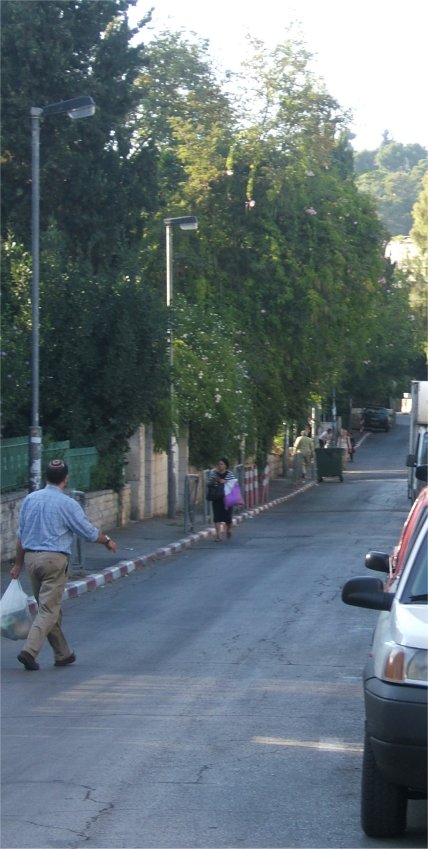
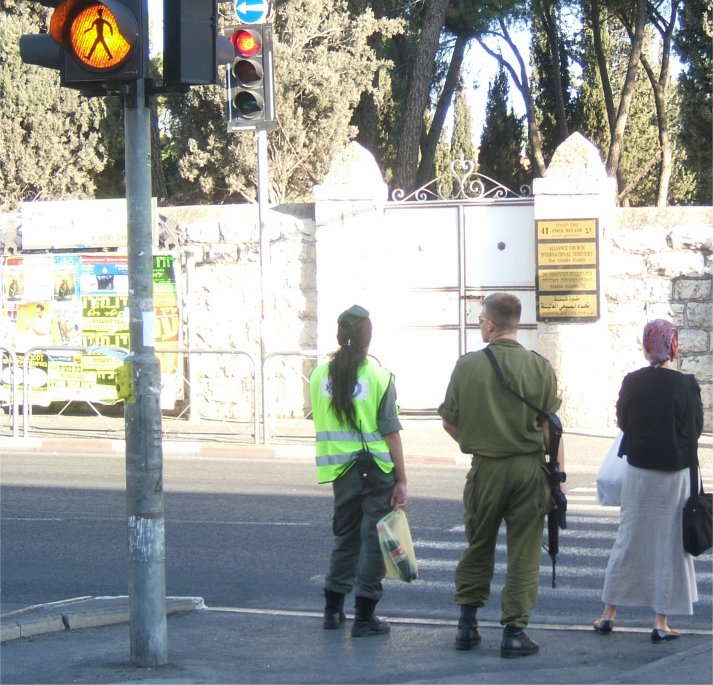
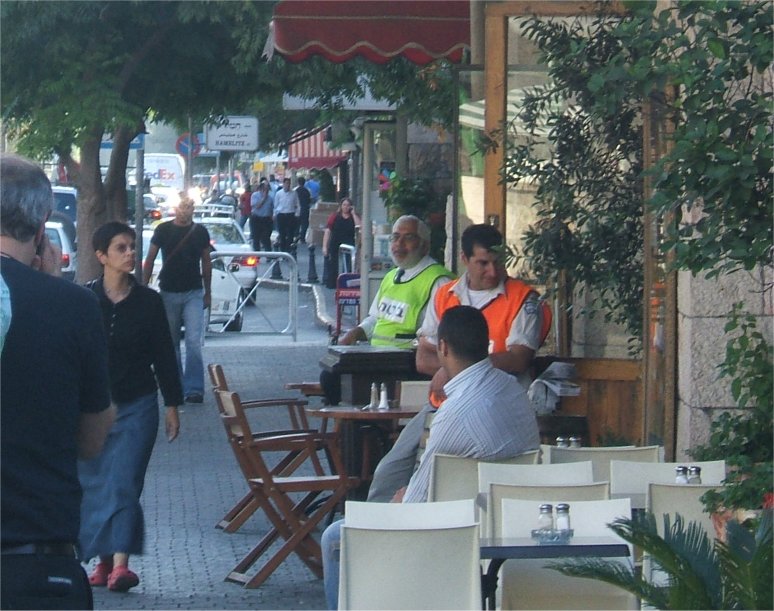
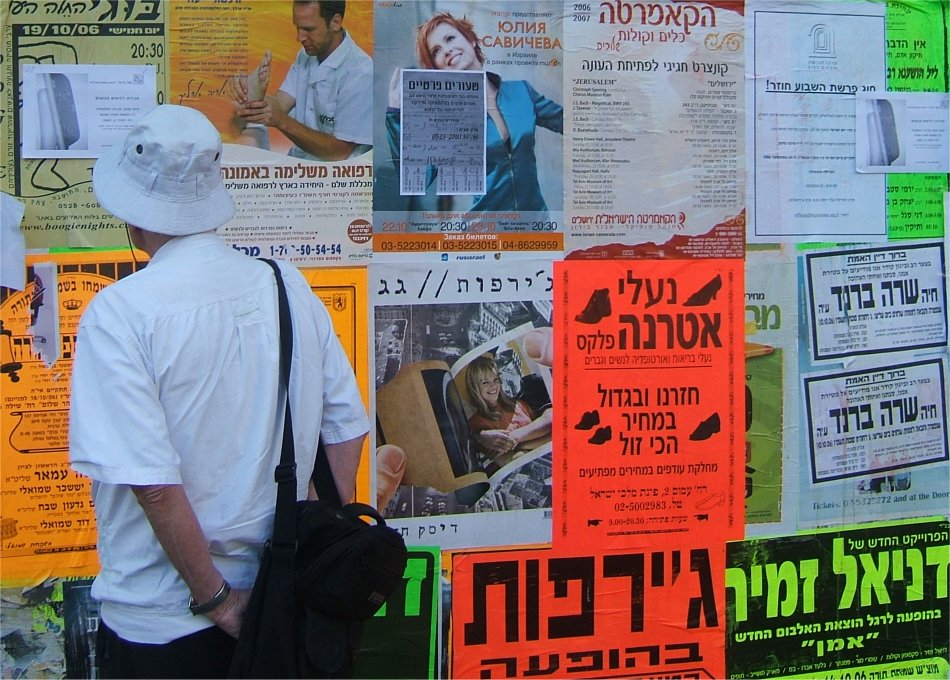
Here are some street shots I took in the Emek Refaim area today.
Bus stop people

A quiet side street.


Crossing guards.


The performing arts center


Another side street.

Emek Refaim coffee shops. Security guards in flourescent.

The same scene from a different perspective.


The message board.

Sunday, October 15, 2006

And There Was Much Rejoicing! The Second Hakafot

In the far reaches of the diaspora, like Walnut Creek, the festival of Shmini Atzeret at the end of Sukkot, where we complete the yearly reading of the Torah and begin againis a two-day festival. The second day is the festival is called Simchat Torah (Happiness of Torah,) during which all the Torah scrolls are removed from the ark and carried around the shul (synagogue) with dancing and singing. Each circuit around the shul is a hakafah, and there are seven total (although the dancing goes on for hours and hours and hours.)
Within the land of Israel, holidays are celebrated for only one day rather than two, so Simchat Torah and Shmini Atzeret are all crammed into one day. But in the evening, after the holiday officially ends, those of us in Eretz Yisrael (the Land of Israel) celebrate a "Second Hakafot," this time with live instrments and electronic music (which are forbidden on Shabbat and Holidays.)

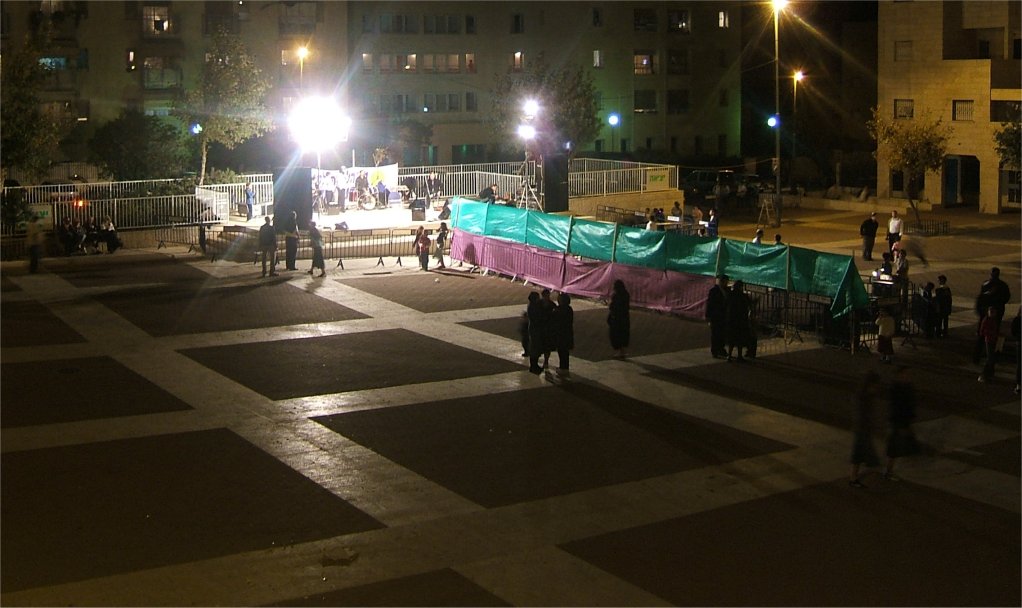
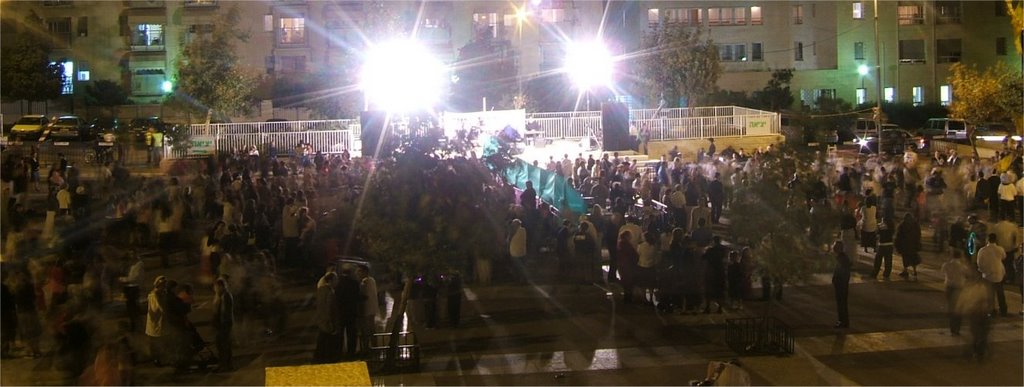
In Pisgat Ze'ev, the town square is set aside. Below, the setup begins, with the stage, lighting, and Mechitzah (separation for men and women.)


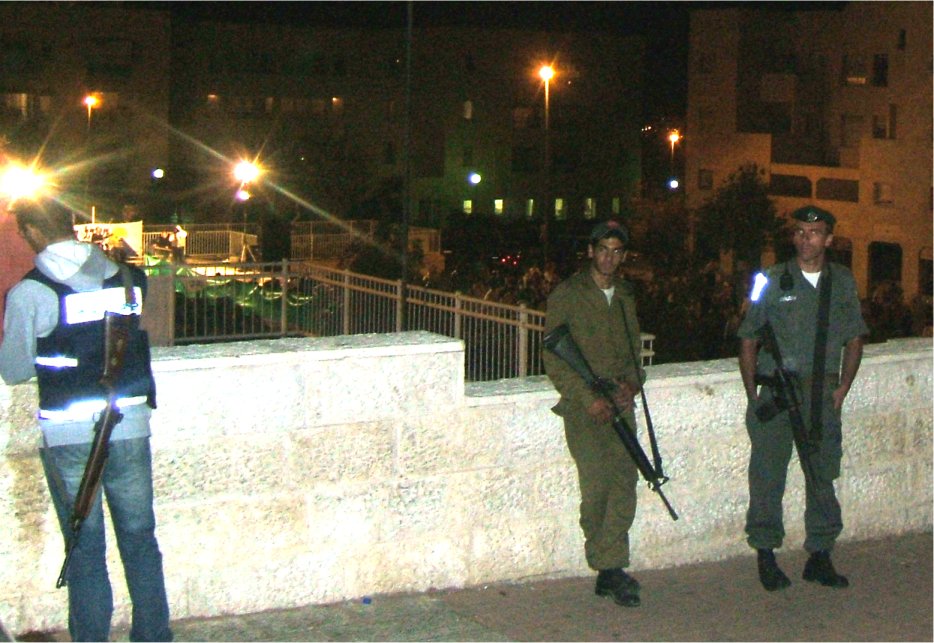
Lest we forget that we live in the middle east, the ever-present security forces take up positions.


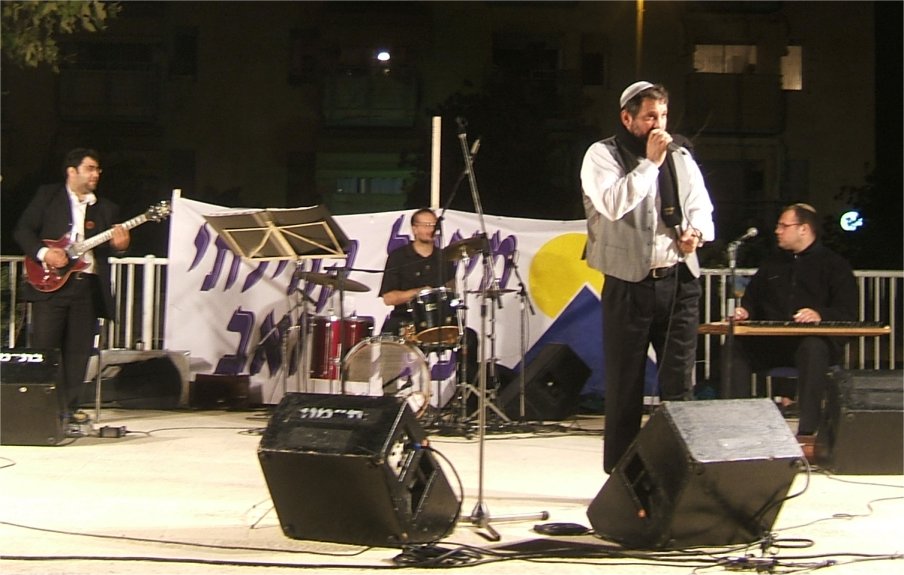
Meanwhile the band warms up, and the teenagers get excited.


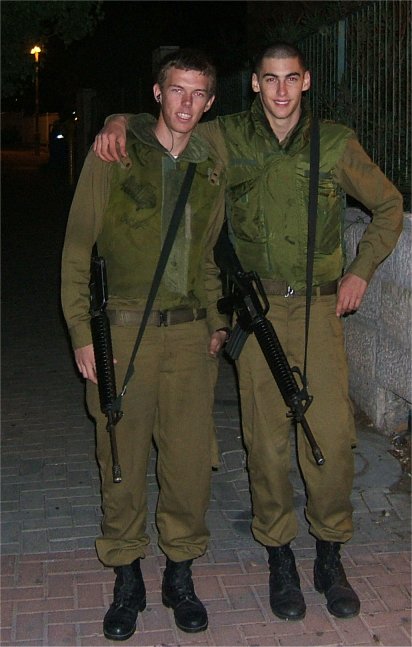
A couple of soldiers guard the parking lot.


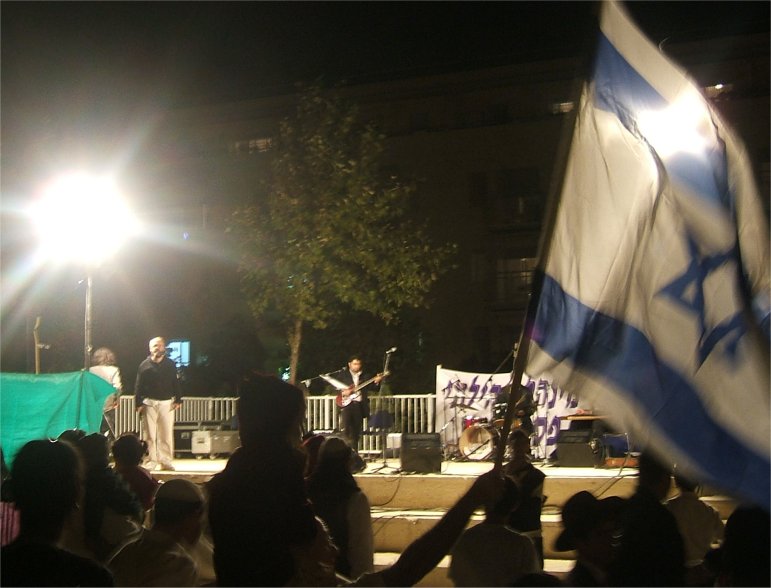
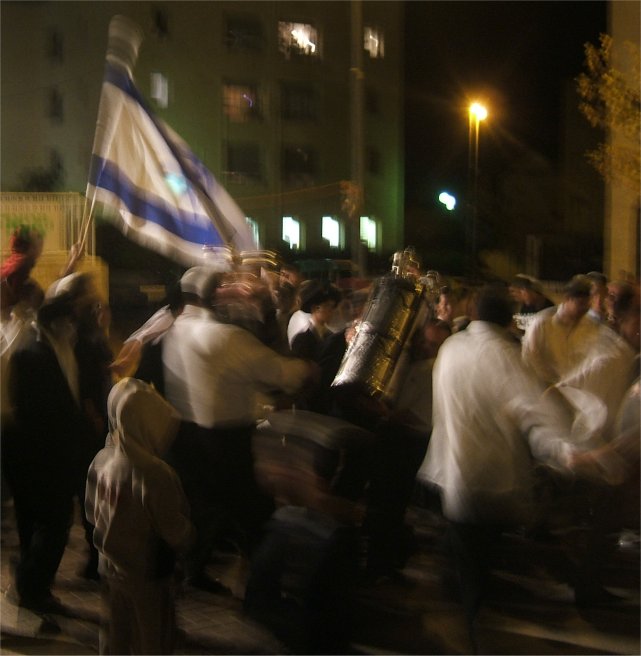
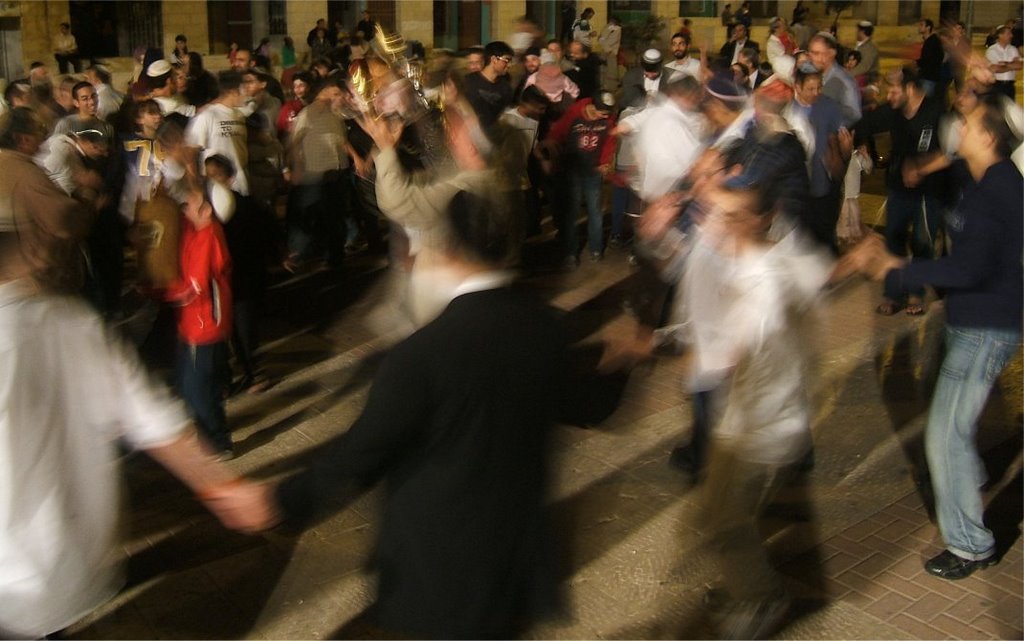
The music gets started, and people pour into the town square for dancing, waving flags and holding up Torah scrolls.


Cousin Rafi was the lead singer.


More Dancing.


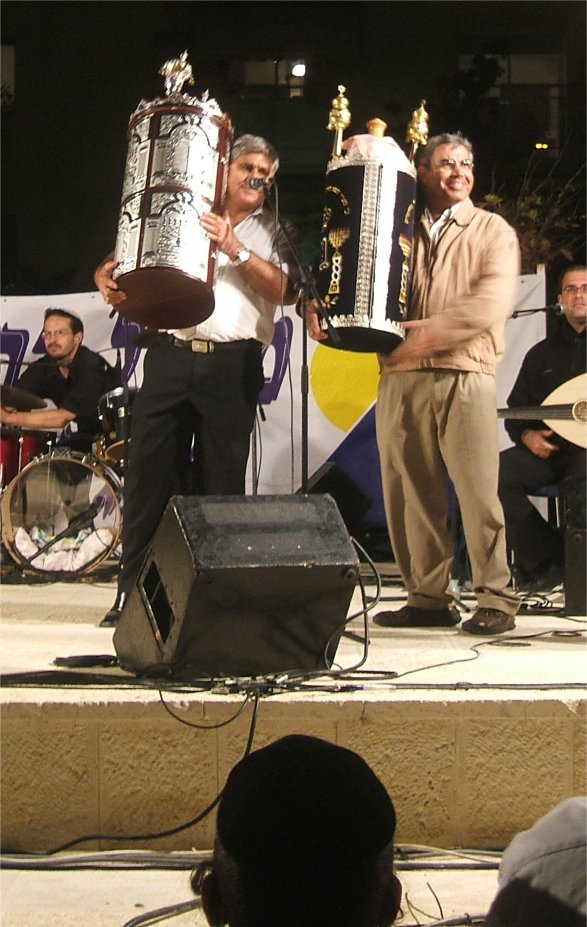
For the first Hakafah, two representatives are called up to read Hakafot.


Meanwile, vendors show up with cotton candy and popcorn for the kids.


The dancing continues.


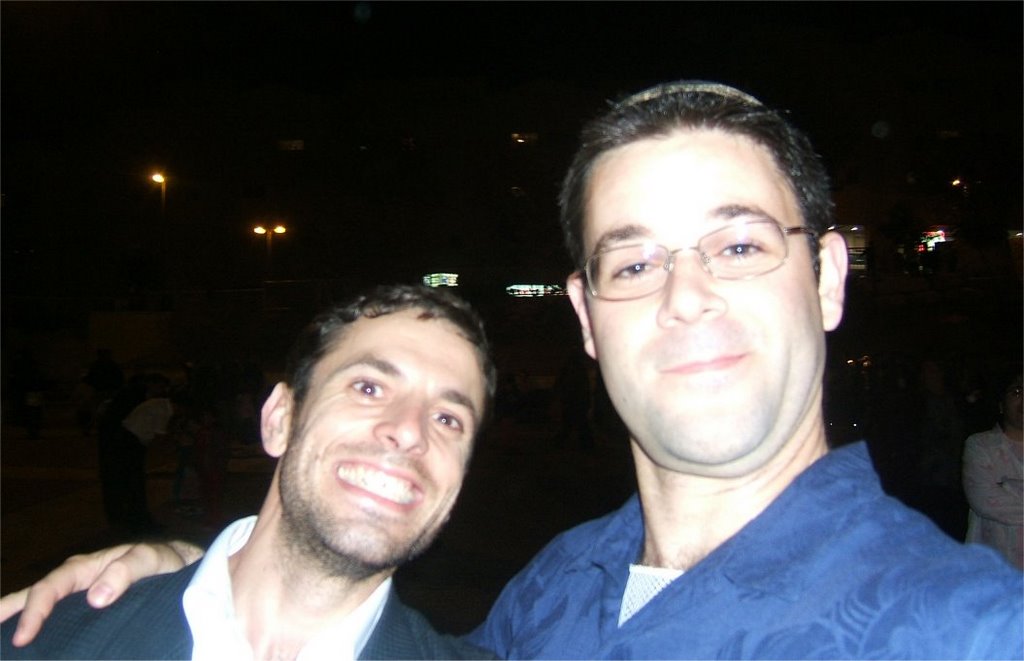
I bump into Shmulik, Rafi's brother (who I seem to bump into every day on the bus.)


Meanwhile, the dancing continues.


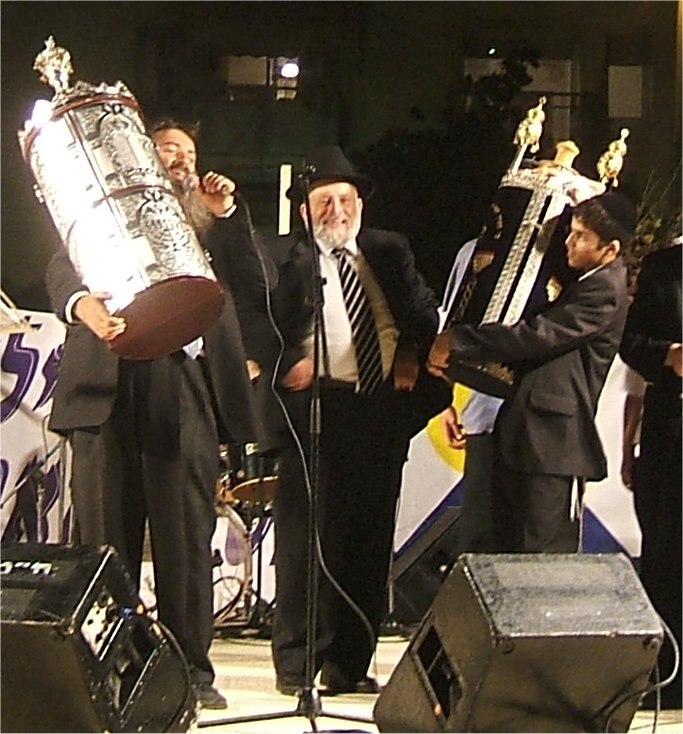
For the second Hakafah, Rabbi Shlomo Ish Ran, who happens to be Rafi's father, is called up to the stage (center.)


Rafi's brother in law, Yehudah (pronounced Yoodah) dances with a Sefer Torah.


Another Hakafah. This time, the honor is given to the chief of police and the security guards. Um.. guys, who'se guarding the entrance?


And the music continues...


... as does the dancing.


The crowd fills the square.


The Ish Ran boys: Yehudah, Rabbi Shlomo, Shmuelik.

And the band played on.


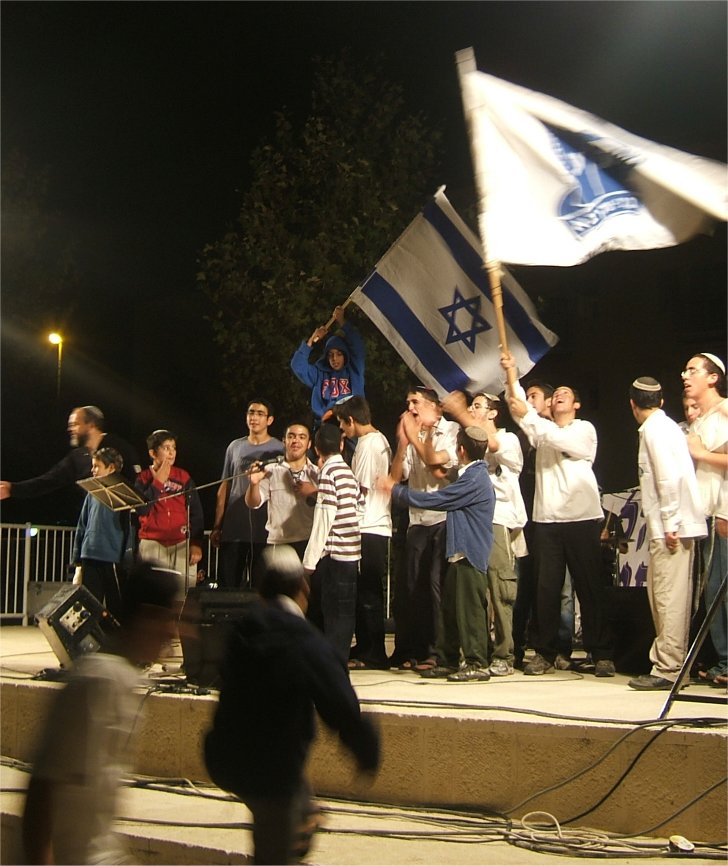
The final hakafah (I know, there were seven, but I skipped a few.) The boys from B'nei Akivah, the National Religious youth movement, run up to the stage.


Yet more dancing...


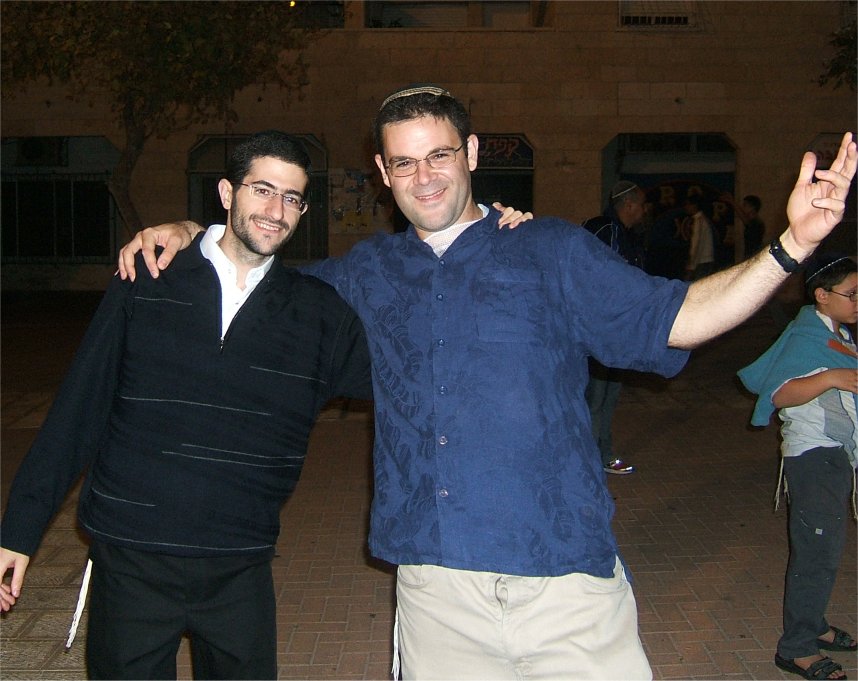
I bump into Yehuah in the crowd.


The party rocked on for four hours, ending at around midnight. Today, we all woke up and dragged our sore bodies back to work.